Homeowner Resource

Your Guide to Metal Roofing

Understanding your options — from affordable to premium. Not all metal roofs are created equal. Here's what you need to know before making a decision.

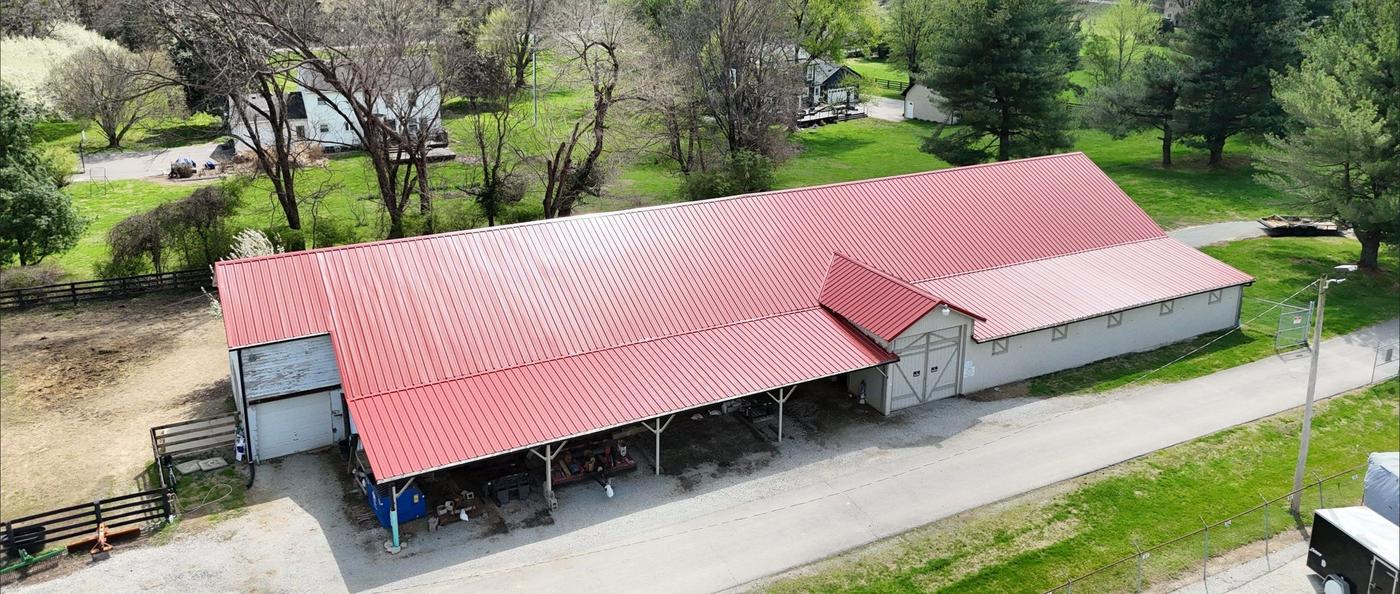
Corrugated metal roof installation by Claymore Contracting
$Good — Affordable & dependable
$$Better — Enhanced looks & performance
$$$Best — Premium & long-lasting

Metal roofing has come a long way from the corrugated barn panels you might picture. Today's metal roofs come in a wide variety of styles — many of which look identical to traditional shingles, wood shake, or tile — while lasting two to three times as long as a conventional asphalt roof.

This guide walks through the most common types of metal roofing available for your home, what makes each one different, and what you can expect to invest. Every roof is unique, so these are general ranges — we'll provide exact pricing specific to your home.

Corrugated Metal Panels

$

What it is: The classic ribbed metal panel you see on barns, workshops, and farmhouses. The screws that hold it down are visible on the surface — that's why professionals call it an "exposed fastener" system.

Advantages

  • Most affordable metal roofing option
  • Quick installation means lower labor costs
  • Lightweight — usually fine over existing structure
  • Great for detached garages, barns, and outbuildings
  • Available in a wide range of colors

Considerations

  • Exposed screws can loosen or leak over time and will need periodic maintenance
  • More "utilitarian" appearance — may not suit all home styles
  • Panels can be noisy in heavy rain without proper insulation
  • Less wind resistance than mechanically seamed systems

Standing Seam Metal

$$

What it is: Sleek, flat panels with raised vertical seams that lock together. Unlike corrugated panels, there are no exposed screws — the fasteners are hidden beneath the seams. This is what most people think of when they picture a modern metal roof.

Advantages

  • No exposed fasteners — eliminates a major leak risk
  • Clean, modern appearance that works with many home styles
  • Excellent wind and weather resistance
  • Panels expand and contract freely, reducing stress on fasteners
  • Very low maintenance once installed
  • Can be installed over low-slope sections where shingles can't go

Considerations

  • Higher cost than corrugated panels
  • Requires skilled installation — not all contractors are experienced with it
  • Flat panels can show imperfections called "oil-canning" (slight waviness) which is cosmetic, not structural
  • Harder and more costly to repair if a single panel is damaged

Stone-Coated Steel

$$

What it is: Steel panels coated with stone granules designed to look like traditional roofing — shingles, wood shake, or clay tile. From the street, most people can't tell these apart from the real thing. Common brands include Decra and Gerard.

Advantages

  • Looks like traditional roofing but with metal durability
  • Available in shingle, shake, and tile profiles
  • Excellent in high-wind and hail-prone areas
  • Stone coating reduces noise compared to bare metal
  • Lightweight — much lighter than real tile or slate
  • Won't rot, crack, or attract insects like real wood shake

Considerations

  • Stone granules can shed over many years (similar to asphalt shingles)
  • More expensive than corrugated panels
  • Color options may be more limited than painted metal systems
  • Repair requires matching the specific profile and color

Stamped Metal Shingles

$$

What it is: Individual metal panels stamped and formed to mimic the look of asphalt shingles, wood shake, or slate. They interlock together and install similarly to traditional shingles, but they're made from aluminum or steel.

Advantages

  • Very natural appearance — neighbors may never know it's metal
  • Interlocking design provides strong wind resistance
  • Individual pieces can be replaced if damaged
  • Works well on complex roofs with lots of angles and valleys
  • Lightweight and walkable for future maintenance

Considerations

  • More expensive per square foot than standing seam in many cases
  • Installation is more labor-intensive due to individual piece work
  • Quality varies widely between manufacturers
  • Painted finishes can fade over decades (repainting may be needed)

Aluminum Standing Seam

$$$

What it is: The same clean standing seam design, but made from aluminum instead of steel. Aluminum is naturally rust-proof and lighter weight, making it ideal for coastal areas or homes where corrosion is a concern.

Advantages

  • Will never rust — even in salt air or high-moisture environments
  • Extremely lightweight — ideal for older structures
  • 100% recyclable at end of life
  • Same clean, hidden-fastener design as steel standing seam

Considerations

  • Significantly more expensive than steel
  • Softer metal — more susceptible to denting from hail or impact
  • Expands and contracts more than steel with temperature changes

Copper Roofing

$$$

What it is: The gold standard of metal roofing. Copper starts as a bright, warm penny color and naturally ages to a beautiful green patina over time. Typically used on high-end homes, historic buildings, or as accent roofing on dormers and bays.

Advantages

  • Stunning appearance that improves with age
  • Can last 100+ years with virtually zero maintenance
  • Naturally antimicrobial — resists moss and algae growth
  • Will never rust
  • Adds significant resale value and curb appeal

Considerations

  • The most expensive roofing material available
  • Soft metal — more prone to denting than steel
  • Can stain adjacent surfaces (green runoff) if not properly detailed
  • Requires experienced installers — not all roofers work with copper
  • Theft risk in some areas due to high scrap value

Zinc Roofing

$$$

What it is: A premium European metal roofing material that develops its own protective coating naturally over time — similar to copper's patina, but in soft blue-gray tones. Zinc is self-healing, meaning small scratches actually seal themselves through natural oxidation.

Advantages

  • Self-healing — minor scratches repair themselves naturally
  • Develops a beautiful, evolving patina over time
  • Extremely long-lasting with virtually no maintenance
  • Environmentally friendly and 100% recyclable
  • Very malleable — can be formed into almost any shape or detail

Considerations

  • Very expensive — comparable to or more than copper
  • Limited availability and few experienced installers in most U.S. markets
  • Can develop "white rust" if not properly ventilated underneath
  • Softer than steel — can dent

A Few Things Worth Knowing

Ready to Explore Metal Roofing?

We'll evaluate your home, walk you through the best options, and give you honest pricing — no pressure.

Request a Free Consultation
Or call us directly: (502) 230-0422 · William@claymoregc.com